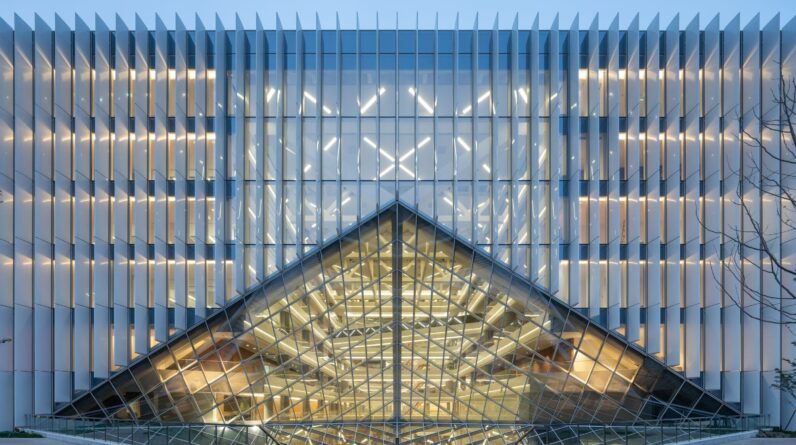


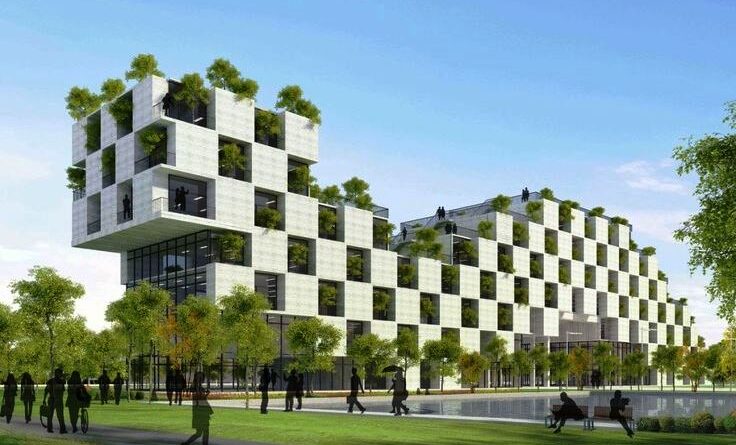
Europe is one of the oldest continents with an extraordinary history and culture, and it now undergoes the most significant process in the architectural breakthrough aspect.
Indeed, many architects and property developers’ ideas underpin their appreciation for a more sustainable approach in an effort to create a generation of beautiful buildings that are environmentally friendly. This is because people are more cognizant of the environmental changes and the impacts of their actions on climate change, especially through excessive carbon emissions.
What is Green Architecture?
Green architecture, or more precisely green building, is a concept of creating structures and designs that would have a lesser impact on the environment. It consists of energy conservation, usage of sustainable resources while constructing buildings, stormwater management, and designing healthy indoor climates.
The Trends of Green Architecture in Europe
Some of the prevalent green architecture trends in Europe today include the following:
1. Renovation of Old Buildings
Today’s architects are not focusing on demolishing old structures but incorporating green elements in their design and restoration. According to Vincent Callebaut, an acclaimed architect based in Belgium, the best practice for cutting down the production of construction waste and safeguarding the spirit of a city is by retrofitting structures that are old.
2. Local Material Use
Apart from eliminating transportation-associated emissions, local material contributes a great deal to the local economy. Europe also uses many local materials like natural stones, woods, and clay in green architectural designs, as seen before.
3. Integration of Renewable Energy
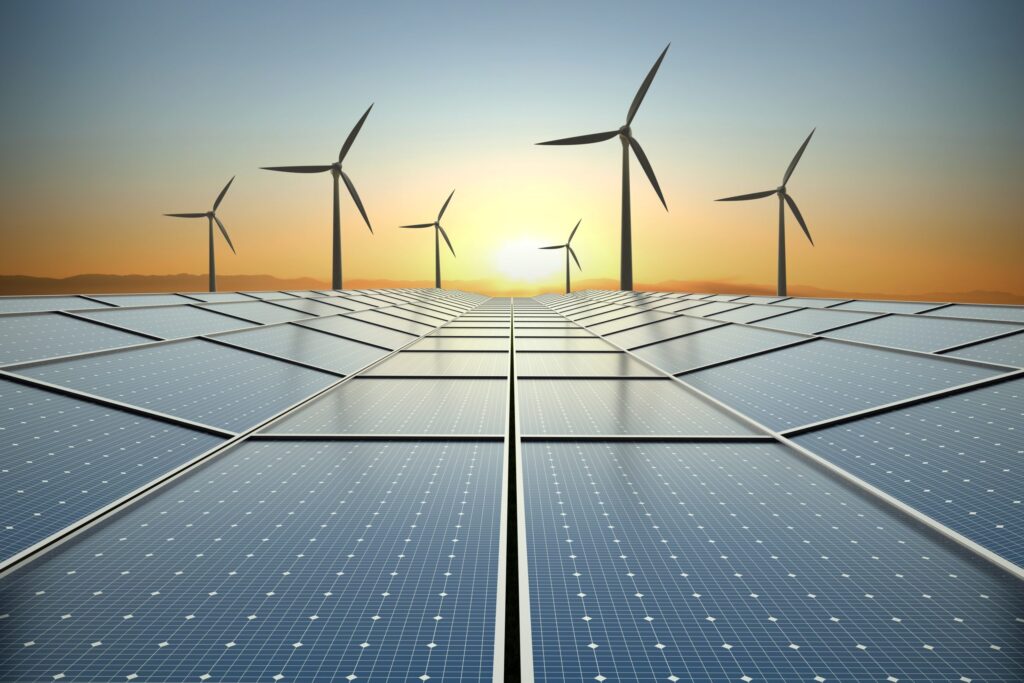
Different renewable energy technologies are integrated in green buildings; it includes solar PV systems, small wind turbines, and geothermal heating systems. Certain points about alternative energy: Renewable energy not only would avoid using the products from fossil energy but also can create clean energy, according to Christian Volk from Germany.
4. Biophilic Design
Biophilic design is a concept seeking to introduce nature into buildings and, at the same time, reverse the negative effects of human separation from nature. These can be achieved with natural features such as plants, natural lighting, and natural ventilation, among others. Stephen R. Kellert, Environmental Psychologist, Yale University: Biophilic design has been found to raise the levels of study or work productivity, ideas output, and general health wellbeing of the occupants.
Besides increasing efficiency and innovation, biophilic design also reduces stress levels, improves sleep quality, and improves peoples’ relationship with nature. An example of natural elements acting as deterrents to stress include the following: standing gardens, roof gardens, and the water elements of waterfalls and fountains.
5. High-rise Buildings
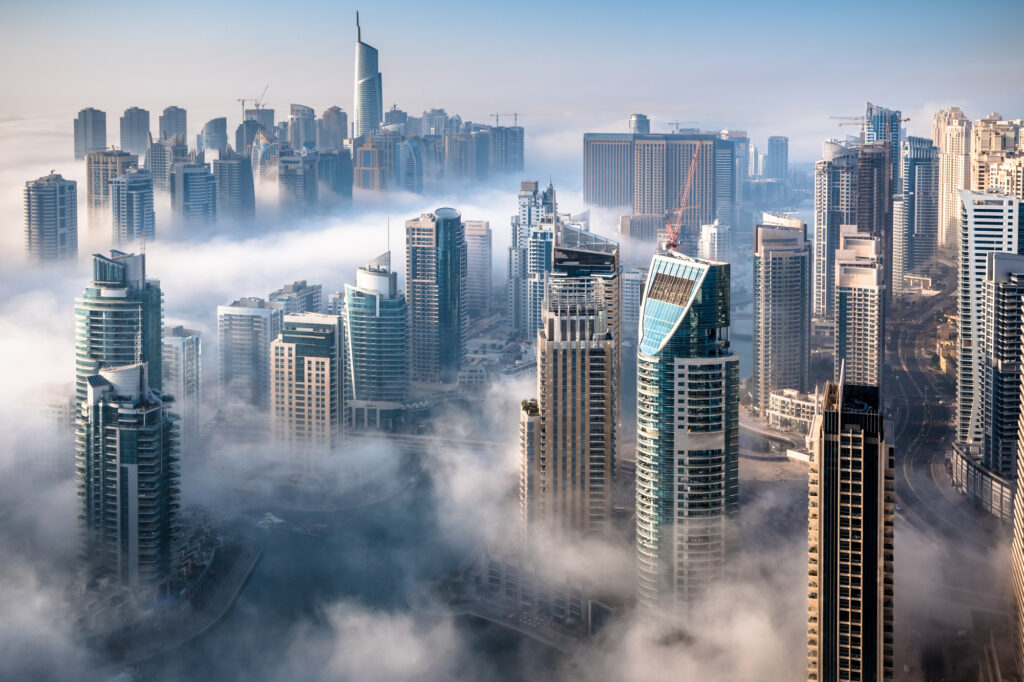
In particular, it has been argued that skillfully planned high-rise structures can contribute to efficient use of space and limited extension of cities’ area. Speaking on the ability of high-rise buildings to be energy efficient, Norman Foster, a famous architect added that with the appropriate technology, tall structures of constructions can be environmentally friendly.
One of the most recognized examples is The Edge building in Amsterdam, Netherlands. This office building has been designed by Benthem Crouwel Architects and comes with a flexible skin that can respond to the intensity of the sun, incorporating an innovative natural ventilation solution.
Technologies like smart facades, energy-efficient cooling systems, and generation of energy through vertical axes of the building will make the high-rise buildings more sustainable. Furthermore, the application of lightweight steel structures can reduce the load on the building also.
Closing Remarks
Despite the popularity of the concept of green architecture, there are various problems that need to be sorted out, and the primary ones among them include the higher cost of construction and different regulatory issues. On the other side, with government and the support of the construction industry, green architecture may change the skyline of European cities.
In the end, of course, green architecture may be included as one of the most important tendencies in construction for the future. Alongside the implementation of sustainable solutions, we have to develop healthy, efficient, and sustainable living for future generations.