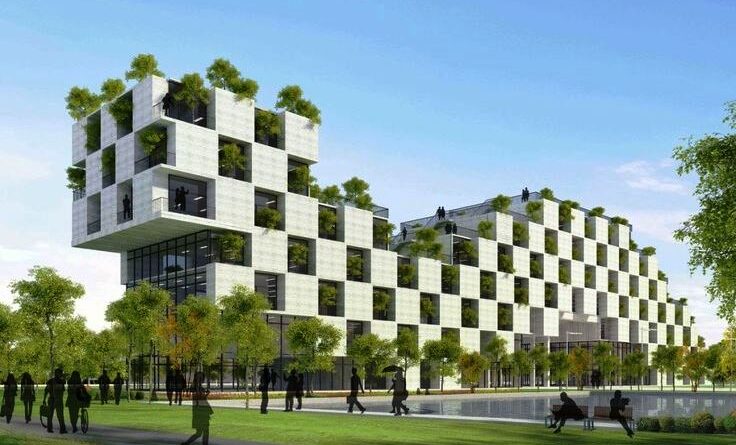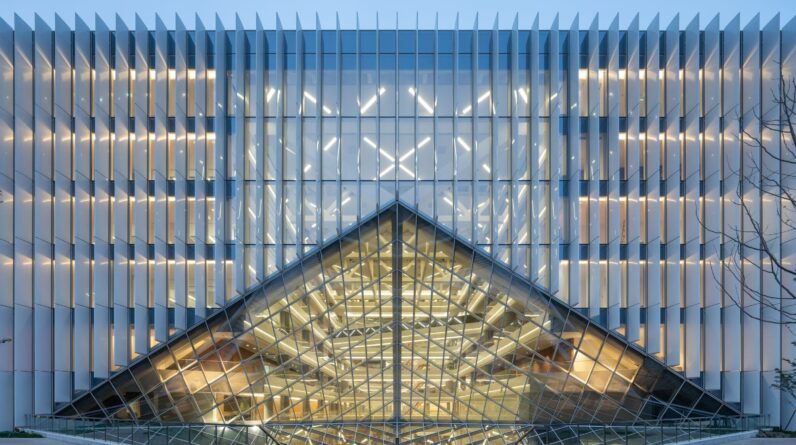


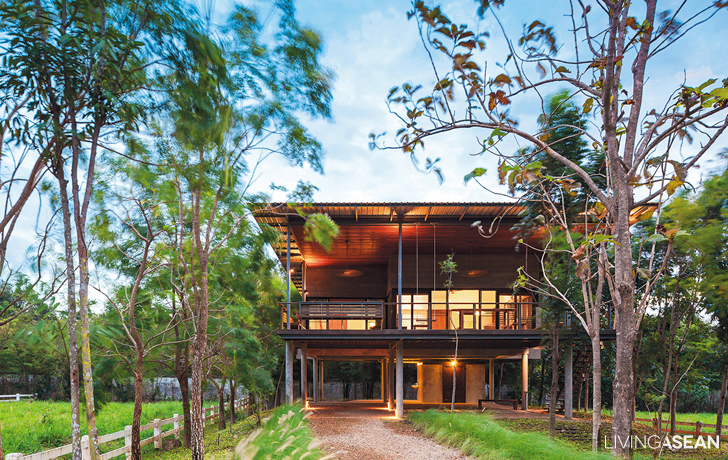
Tropical house architecture has captivated architects, designers, and homeowners for centuries, offering a harmonious blend of functionality, comfort, and beauty. In regions where high temperatures, heavy rainfall, and humidity define the climate, tropical home designs are not just about style—they are a response to nature itself. From Southeast Asia to the Caribbean, tropical architecture incorporates materials, layouts, and techniques that adapt to warm climates while showcasing cultural uniqueness.
One of the most defining elements of tropical house design is natural ventilation. High ceilings, open layouts, and strategically placed windows encourage airflow, keeping interiors cool without heavy reliance on air conditioning. This passive cooling technique is both energy-efficient and environmentally sustainable, making it a popular choice in modern eco-friendly construction.
Sustainable materials play a key role in tropical architecture. Bamboo, teak wood, palm leaves, and locally sourced stone are not only abundant but also durable against the tropical elements. These materials naturally resist humidity and pests, while their organic textures enhance the warm, inviting atmosphere that tropical homes are known for.
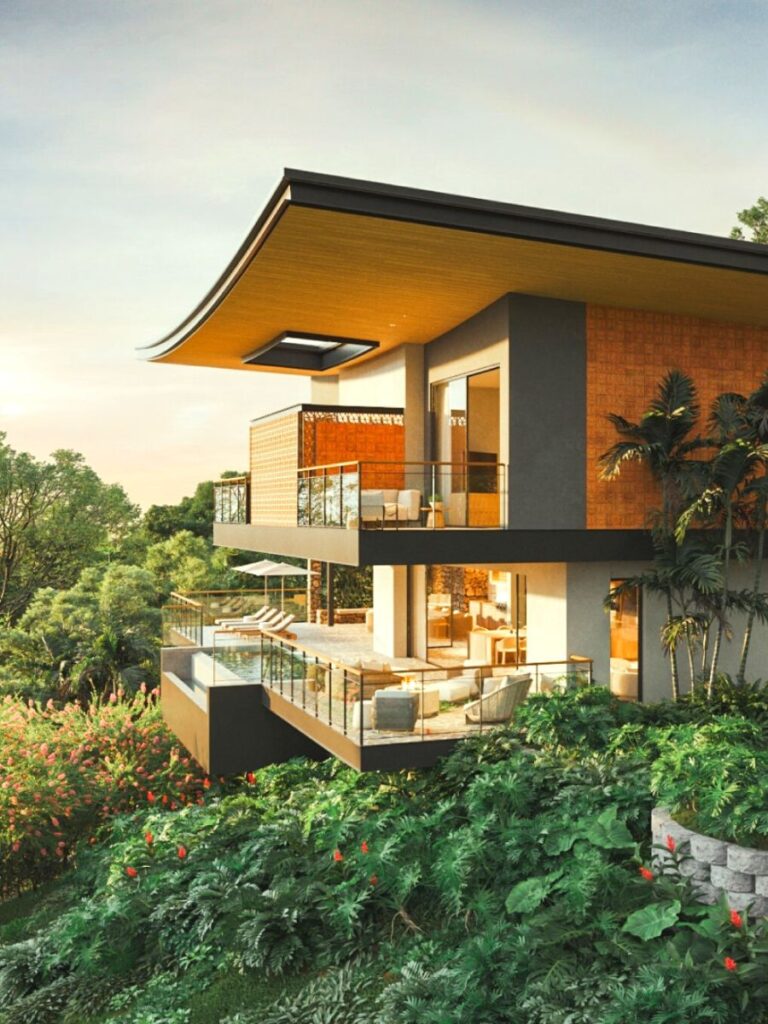
In modern tropical house designs, architects are merging traditional craftsmanship with innovative technologies. Solar-powered lighting, rainwater harvesting systems, and insulated roofing are becoming standard features, ensuring that these homes remain both stylish and sustainable in the 21st century. This marriage of tradition and technology has inspired an entire generation of eco-conscious homeowners.
The indoor-outdoor living concept is central to tropical architecture. Large verandas, open decks, and covered patios create seamless transitions between interior spaces and lush gardens. This connection with nature not only enhances relaxation but also allows homeowners to enjoy year-round outdoor living—a lifestyle perfectly suited to warm climates.
Roof design in tropical houses is more than just aesthetic—it’s essential. Steeply pitched roofs or wide overhangs are common, helping to quickly drain heavy rainfall while shading walls from direct sun exposure. In coastal tropical regions, homes may also feature elevated foundations to protect against flooding and improve air circulation underneath.
Across the globe, different regions bring their own cultural influence to tropical house designs. In Bali, intricately carved wooden panels add artistic flair, while in the Caribbean, vibrant colors and colonial-inspired shutters add charm. These regional adaptations not only serve functional purposes but also preserve the heritage and identity of each location.
In recent years, luxury tropical villas have become highly sought after in the real estate market. These properties often combine open layouts, infinity pools, and panoramic ocean views, offering a modern take on tropical living that attracts both homeowners and vacation renters. The rise of tropical-themed resorts has also popularized these design elements in hospitality architecture.
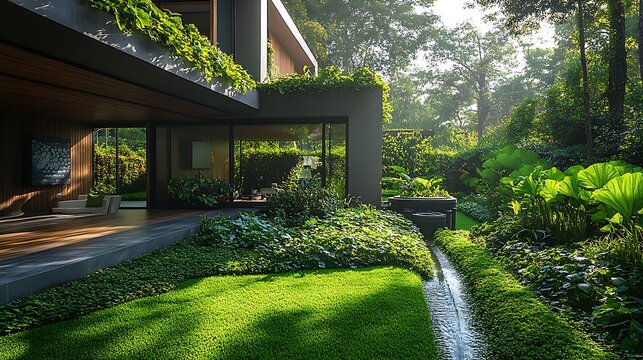
With climate change driving more interest in sustainable living, tropical house architecture offers valuable lessons in adaptation and resilience. Its focus on natural cooling, renewable materials, and harmony with the environment makes it a blueprint for future-ready homes across the globe—even in non-tropical regions seeking energy efficiency.
Whether it’s a traditional bamboo hut in Thailand, a beachfront villa in the Maldives, or a jungle retreat in Costa Rica, tropical house architecture continues to inspire with its timeless beauty and practicality. As global appreciation for sustainable, nature-connected living grows, tropical design is proving to be more than a trend—it’s a lifestyle choice for the modern era.