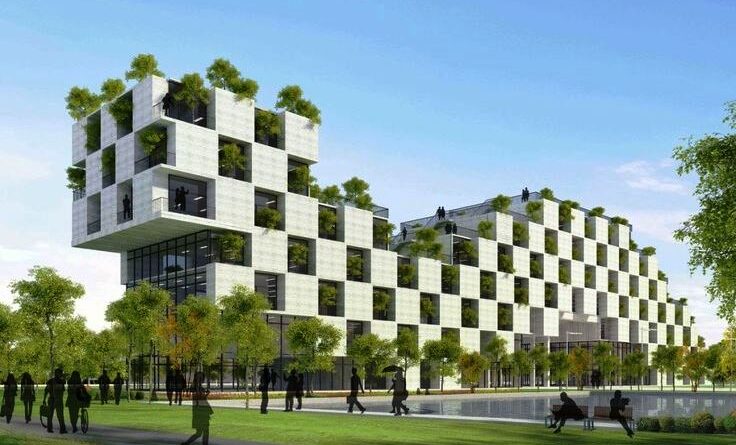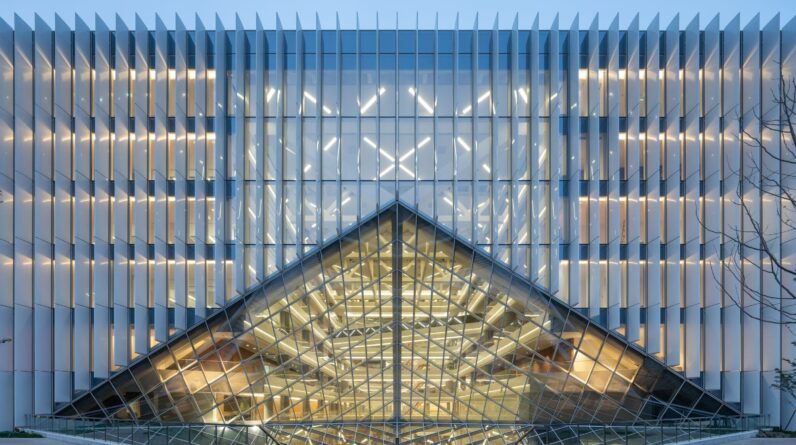


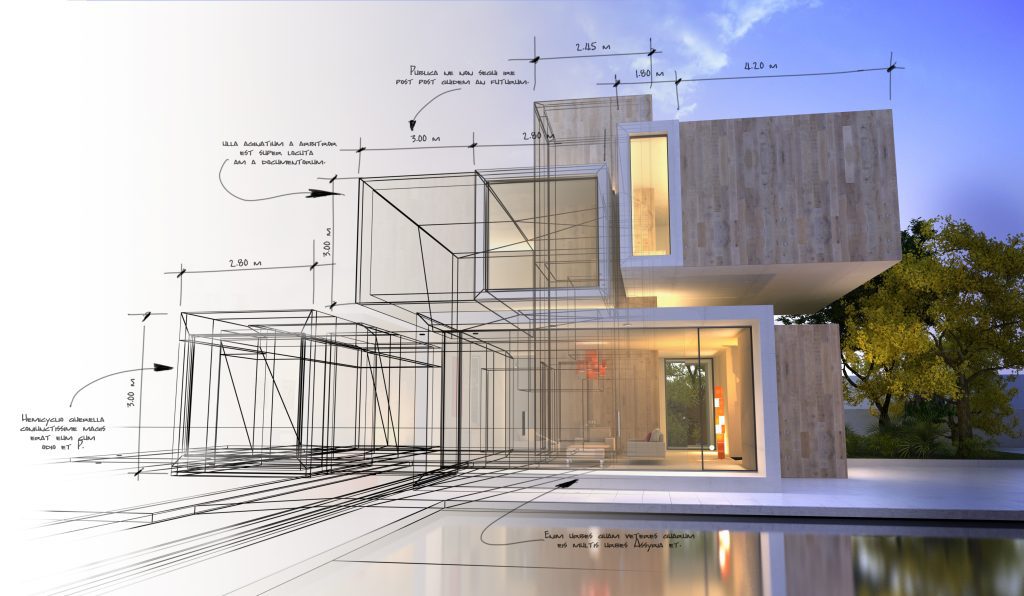
In the modern era, digital architecture is transforming the way we design, plan, and construct buildings. Powered by advanced technologies such as Building Information Modeling (BIM), artificial intelligence (AI), virtual reality (VR), and 3D printing, the industry is undergoing a revolution that prioritizes efficiency, sustainability, and innovation. Architects and engineers can now create hyper-realistic simulations, enabling precise planning and reduced errors during the construction process.
One of the most significant shifts in digital architecture is the widespread adoption of BIM technology. This tool integrates every element of a building project into a single, interactive 3D model. With BIM, designers, engineers, and contractors can collaborate in real time, optimizing workflow and minimizing costly rework. In 2025 and beyond, BIM is expected to become the global standard for architectural projects.
Artificial intelligence in architecture has emerged as a game-changer, analyzing massive datasets to suggest the most efficient design solutions. AI tools can predict structural performance, optimize energy efficiency, and even automate repetitive drafting tasks, freeing architects to focus on creativity and innovation. AI-driven predictive analytics also help reduce material waste, aligning with the industry’s push for sustainability.
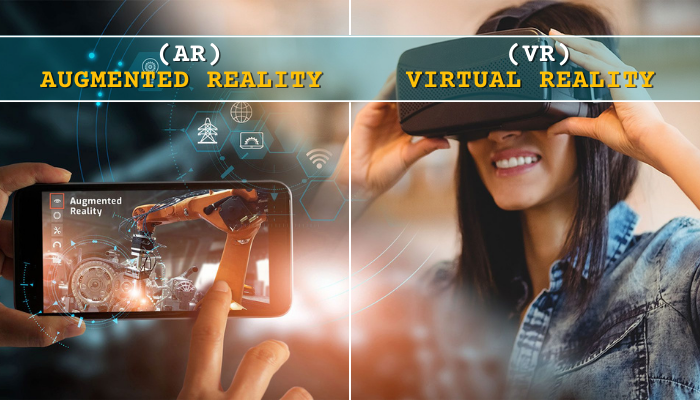
Virtual reality (VR) and augmented reality (AR) have transformed how stakeholders visualize projects. Instead of relying solely on blueprints, clients can now immerse themselves in a digital walkthrough of their future space. This not only improves communication between architects and clients but also allows for real-time design adjustments, ensuring that expectations match the final result.
Another groundbreaking innovation in digital architecture is 3D printing in construction. Entire building components, and in some cases entire homes, can now be produced using large-scale 3D printers. This approach drastically reduces construction time, lowers labor costs, and enables complex designs that would be difficult to achieve with traditional methods.
Sustainability remains at the core of modern architectural trends, and digital tools are helping architects create eco-friendly building designs. Energy modeling software can simulate the environmental performance of a building before it is constructed, allowing for smarter choices in insulation, ventilation, and renewable energy integration. This results in structures that are not only visually stunning but also environmentally responsible.
The integration of cloud-based project management platforms has also improved collaboration across the architecture and construction sectors. Teams can share updates, manage timelines, and track resources from anywhere in the world, making cross-border projects more seamless than ever before. This shift to digital project management is increasing efficiency while reducing delays and miscommunication.
In urban planning, digital twin technology is enabling city planners to create real-time, data-driven models of entire neighborhoods. These virtual replicas can simulate traffic flow, energy consumption, and environmental impact, leading to smarter, more sustainable cities. Digital twins also allow for faster disaster recovery planning by modeling potential scenarios.
Educational institutions are adapting to these changes by incorporating digital design tools into architecture programs. Future architects are now being trained in VR modeling, AI-assisted design, and sustainable construction methods, ensuring that they are prepared to thrive in a tech-driven industry. This new generation of architects will push the boundaries of what is possible in design.
In conclusion, digital architecture is not just a trend—it is the future of the construction and design industries. By embracing technologies such as BIM, AI, VR, 3D printing, and digital twins, architects are creating smarter, greener, and more efficient buildings. As we move deeper into the modern era, the marriage of creativity and technology promises a built environment that is more innovative, sustainable, and human-centered than ever before.